Disclosure — some links on this page go to Amazon, and we earn a commission if you buy through them. It costs you nothing extra and it does not change what we recommend or in what order. The full disclosure.
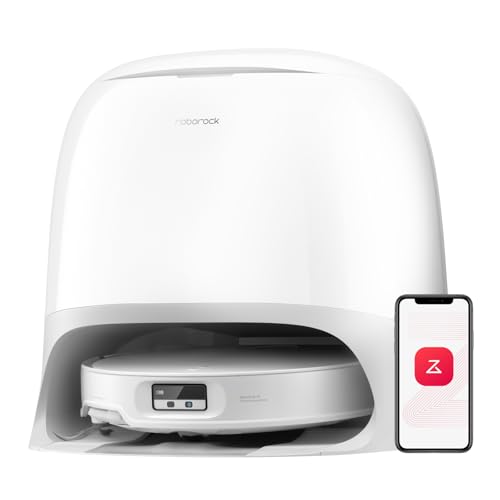
Buy a combo on two published figures: whether the dock washes the pad, and how far the mop lifts over carpet. Roborock's Qrevo CurvX publishes the highest lift here at 17mm with hot-water washing. Dreame's X40 Ultra removes the pads entirely. eufy's C28 brings a self-rinsing roller down to mid-range money but publishes no lift height at all.
Ten years ago a robot mop was a damp cloth clipped to the bottom of a vacuum, and it earned the contempt it got. That is no longer what is being sold. The current machines pressurize the pad, wash it at the dock between passes, dry it with hot air so it does not go sour, and lift it off the floor when they detect carpet. The mechanism is real. What has not changed is that the marketing is identical whether the mechanism is there or not, so the only way to tell is to read what the maker publishes.
The dock is the whole product
One pad, dragged around a whole floor, gets dirty within the first room. Everything after that is redistribution. This is the fundamental limit of robot mopping and no amount of downward pressure fixes it — which is why what the dock does between passes matters more than anything about the robot.
There are three tiers, and the marketing language for all three is similar enough to be useless:
Park only. The dock charges the robot and empties the dustbin. The pad stays on, wet and dirty, until you remove it. Every combo does at least this.
Wash and dry. The dock rinses the pad, usually scrubbing it against a ribbed plate, extracts the dirty water to a separate tank, and dries the pad with warm air so it does not grow anything. This is the tier worth paying for.
Wash hot, with dosing. The same, with a stated water temperature and sometimes automatic cleaning-solution dosing. A stated temperature is the most checkable claim in the category.
What each dock does, in its maker's own words
7 of 7 models publish this figure. Every number below links to the page it came from.
Compiled from the manufacturers’ own published material — every row carries the date its figure was read. We have not measured any of these figures ourselves, see how we pick. Found an error? Tell us and we will correct it.
The Qrevo Pro is the interesting entry in that table. It is the cheapest machine here by a wide margin and it still states hot-water washing with auto mop drying — the same tier of dock function as models costing twice as much. What it gives up is elsewhere: 7,000 Pa is the lowest published suction figure in this roundup, and Roborock publishes no mop-lift height for it. The dock is not where its corners were cut.
Mop lift is the figure that decides carpet
If your home is entirely hard floor, skip this section — it does not apply to you. If you have a rug anywhere on the robot's route, it is the most important number on the page, because a mop that lifts 10mm and a rug with 12mm of pile means a wet pad dragged across the rug on every single pass.
Three of the seven do not publish it, and that includes two machines whose docks are otherwise excellent. It is a strange gap: the same maker will print a suction figure to the nearest hundred Pascals and then say nothing about the one dimension that determines whether the mop ruins a rug.
Flat pad or rinsing roller
The newer mechanism is a rotating roller that is scraped and rewetted continuously through the run rather than only at the dock. It changes the failure mode: instead of the far end of a large floor getting the dirt from the near end, every part of the floor gets roughly the same water. Until this year that was a flagship feature. The eufy C28 is the reason it is on this page — it brings the rinsing roller down to mid-range money.
It is not a free win. eufy publishes no mop-lift height and no climb height for the C28, and a roller is a consumable with no stated replacement interval. The mechanism is better; the spec sheet is thinner. Which of those matters more depends entirely on whether you have carpet. The mechanism comparison in full is in mop pad vs roller.
How we picked
Criteria first, products second. These are the things we ranked on, stated before anything is recommended.
Does the dock wash the pad, or only park it? A dock that empties the bin and refills the tank but leaves a dirty pad to dry in place is not solving the problem people buy a combo to solve.
Hot water or cold. Several makers state a wash temperature; a stated temperature is a claim you can compare, and grease does not lift at room temperature.
A published mop-lift height, in millimeters. This is the figure that decides whether a wet pad crosses the carpet on the way past. A model that does not publish it cannot be checked.
Pad type: flat pad or rinsing roller. A flat pad collects dirt and carries it; a roller that scrapes and rewets itself has a different worst case at the far end of a big room.
Whether the pad comes off entirely, which is the only version of mop lifting that guarantees a dry carpet rather than a raised wet one.
What we did not do: test any of these machines. We do not own one, we do not have a lab, and nothing on this page is written as though we did. The full method.
Quick picks
Ranked on the published specifications below. Tap a row to jump to the full write-up.
#
Product
Best for
Mop lift
Price
1
Roborock Qrevo CurvXThe highest published suction figure here paired with the highest published mop lift, which is the combination a mixed-floor home actually needs.
eufy X10 Pro Omnieufy publishes an obstacle clearance, a mop lift, two runtimes and both tank capacities — more of its own numbers than any other maker here.
HydroJet roller rinses itself during the run instead of only at the dock
A stated 15,000 Pa, which is a real figure rather than a multiple
Five-function station: mop washing, hot-air drying, dust emptying, tank refill and wastewater collection
What it does not
No published threshold height and no published mop-lift height
No published runtime, bin capacity or body height either
The roller is a consumable and eufy does not state a replacement interval
Who it is for
Hard floors that get genuinely dirty, on a budget that will not reach a flagship omni station.
Skip it if
Your home has thresholds or deep carpet. eufy publishes no climb height and no mop-lift height for this model, so you cannot check either before you buy.
Its NeverTouch Pro base genuinely does wash and dry the pad, which is the feature this page is about, and on a flat single-level hard floor it will do the job. It is skipped here because Shark publishes neither a suction figure nor a mop-lift height for it — and mop lift is the number that decides whether the wet pad gets dragged across your carpet. You would be buying the one specification this page ranks on entirely on trust.
Is a combo the right purchase at all?
For a hard-floor home that gets genuinely dirty — a kitchen, an entryway, a house with a dog — a washing-dock combo replaces a chore rather than adding one, and it is worth the money. For a carpeted home with one small tiled bathroom, you are paying a large premium for a mechanism that will run on a few square meters and then need its own maintenance.
The honest version of that decision, including the case for buying two cheaper single-purpose machines instead, is in mop combo or separate machines. And before you buy anything, check which floors a robot can actually mop — unsealed wood and some laminates are on the list of floors that should not be wet-mopped at all, by a robot or by you.
Questions people actually ask
+ What is the best robot vacuum and mop combo?
On published specifications, the Roborock Qrevo CurvX: it states the highest mop lift here at 17mm, hot-water pad washing with drying, and the highest suction figure, so it is the model you can check the most claims on before buying. If your home is mixed carpet and hard floor, the Dreame X40 Ultra is the better answer because its pads come off entirely rather than lifting.
+ Do robot mops actually clean, or just spread dirt around?
Both, depending on the dock. A pad that is never washed between passes is redistributing by the second room — that is the honest criticism and it was true of older machines. A dock that scrubs the pad, extracts the dirty water and dries the pad changes the outcome, and a rinsing roller that rewets itself during the run changes it further. The dock is what you are paying for.
+ Will the mop get my carpet wet?
That depends on the published mop-lift height and your pile depth, and it is the number to check before buying. 17mm clears a low-pile rug; 10.5mm does not clear much beyond a flat mat. Three of the seven models compared here publish no figure at all, which means you cannot check it. Removable pads are the only mechanism that removes the risk entirely.
+ Is hot-water mop washing worth paying for?
For kitchen grease, yes — it does not lift at room temperature. For dust and paw prints the temperature matters much less than whether the pad gets washed at all. Several mid-price models including the Roborock Qrevo Pro state hot-water washing, so it is not a feature confined to flagships.
+ How often do I replace the mop pads?
Most makers do not publish an interval, which is a gap rather than an answer. Pads are cheap and the usual failure is that they stop absorbing rather than that they wear through. Our page on mop pad replacement covers what to watch for and what the consumables actually cost over a year.
+ Why does my robot mop smell?
Because a damp pad left on a dock at room temperature grows bacteria within a day or two. Hot-air drying at the dock is the feature that prevents it, and it is the single most under-rated line on a combo's spec sheet. If yours already smells, the fix is in our guide to stopping a robot mop smelling musty.