Laminate is the easiest surface in the house to vacuum and the least forgiving of standing water. The mop settings matter more than the suction figure.
Disclosure — some links on this page go to Amazon, and we earn a commission if you buy through them. It costs you nothing extra and it does not change what we recommend or in what order. The full disclosure.
Laminate vacuums easily — debris sits on the surface and even modest suction lifts it. The risk is water. Laminate is a photographic wear layer over a fiberboard core, and water reaching that core through a seam swells it permanently. Use the lowest water setting and never let the robot park wet. If your floor is vinyl plank rather than laminate, none of that applies — the LVP page explains why the advice inverts.
Laminate is in most homes and gets less specific advice than any other hard floor, probably because it is unglamorous. It has one genuine failure mode and it is worth understanding before you set the robot loose.
What laminate is, and why the seams matter
A laminate plank is a high-density fiberboard core with a printed decorative layer and a clear wear layer on top. The top surface is genuinely tough — more scratch-resistant than most real wood finishes. The core is compressed wood fiber, and compressed wood fiber swells when it gets wet and does not go back.
The wear layer is waterproof. The seams between planks are not, unless the floor is a modern water-resistant product with sealed joins. So the entire risk is water sitting long enough to work into a join. A damp pad passing over does not do that. A wet pad, a robot that stops on a spill, or a leaking tank does.
Lowest water setting, always. The floor should look damp and be dry within a minute or two.
Never leave the robot parked on the floor with a wet pad. If a run is interrupted, take the pad off. A dock that dries the pad removes this risk entirely.
Check the joins. An older laminate with slightly open or lifted seams should be vacuumed and not mopped. That is not a robot limitation, it is a floor condition.
Do not use household floor cleaner in the tank unless the manufacturer specifies it. Beyond the pump damage, many cleaners leave a film on laminate that shows every footprint.
Vacuuming laminate
The easy part. Debris sits on the surface, so airflow does the work and the suction figure barely matters. A rubber or hybrid roller is preferable to stiff bristles on a soft wear layer, and frequent running is protective — grit left on laminate gets walked into the surface and the wear layer is thin enough to notice it eventually. More on that, and on the marks a bumper leaves along a baseboard, on scratched floors and scuffed baseboards. If your floor is solid timber rather than laminate, best robot vacuums for hardwood floors is the page you want.
How we picked
Criteria first, products second. These are the things we ranked on, stated before anything is recommended.
Water control: whether the robot offers a genuinely low water setting, not just three notches of the same flow.
Published mop lift, so a wet pad is clear of any adjoining carpet.
Brush type, favoring rubber or hybrid rollers over stiff bristles on a soft wear layer.
Whether the dock dries the pad, since a damp pad parked on laminate is a slow leak.
Mapping quality, because laminate shows missed patches that carpet hides.
What we did not do: test any of these machines. We do not own one, we do not have a lab, and nothing on this page is written as though we did. The full method.
Quick picks
Ranked on the published specifications below. Tap a row to jump to the full write-up.
#
Product
Best for
Mop lift
Price
1
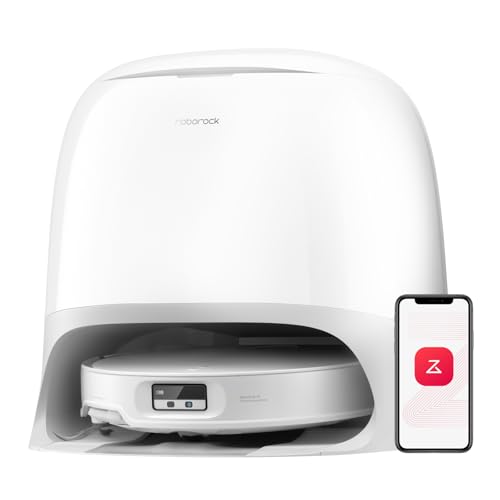
Roborock Qrevo CurvXThe highest published suction figure here paired with the highest published mop lift, which is the combination a mixed-floor home actually needs.
eufy X10 Pro Omnieufy publishes an obstacle clearance, a mop lift, two runtimes and both tank capacities — more of its own numbers than any other maker here.
This is the best mopping hardware in our comparison and we recommend it elsewhere without hesitation. On laminate specifically, a continuously rinsing roller puts more water on the floor than a damp pad does, and laminate's one real weakness is water reaching the core through a seam. If your laminate is older or the joins have opened at all, buy the gentler mop.
Questions people actually ask
+ Can a robot vacuum mop laminate flooring?
Yes, on the lowest water setting and provided the seams are sound. The risk is not the surface — that is waterproof — but water reaching the fiberboard core through a join, which swells it permanently.
+ Will a robot vacuum damage laminate?
Vacuuming, no. Over-wetting, yes. The other risk is grit dragged under the machine, which frequent running reduces rather than increases.
+ What water setting should I use on laminate?
The lowest one available. The floor should look damp and be dry within a minute or two. If you can see standing water behind the robot, the setting is too high for laminate.
+ Is laminate or tile better for a robot vacuum?
Both are easy to vacuum. Tile tolerates far more water, so it is the more forgiving surface for a mop combo — especially a roller mop. Laminate needs the water dialed down. See tile floors.