Skip to content
Bristle & Bot
Pet hair / guide

Robot vacuums and cat litter

Litter is not dust. It is heavy, abrasive granules scattered several feet from the tray, and it is hard on the machine that picks it up.

By Scooter M.Published
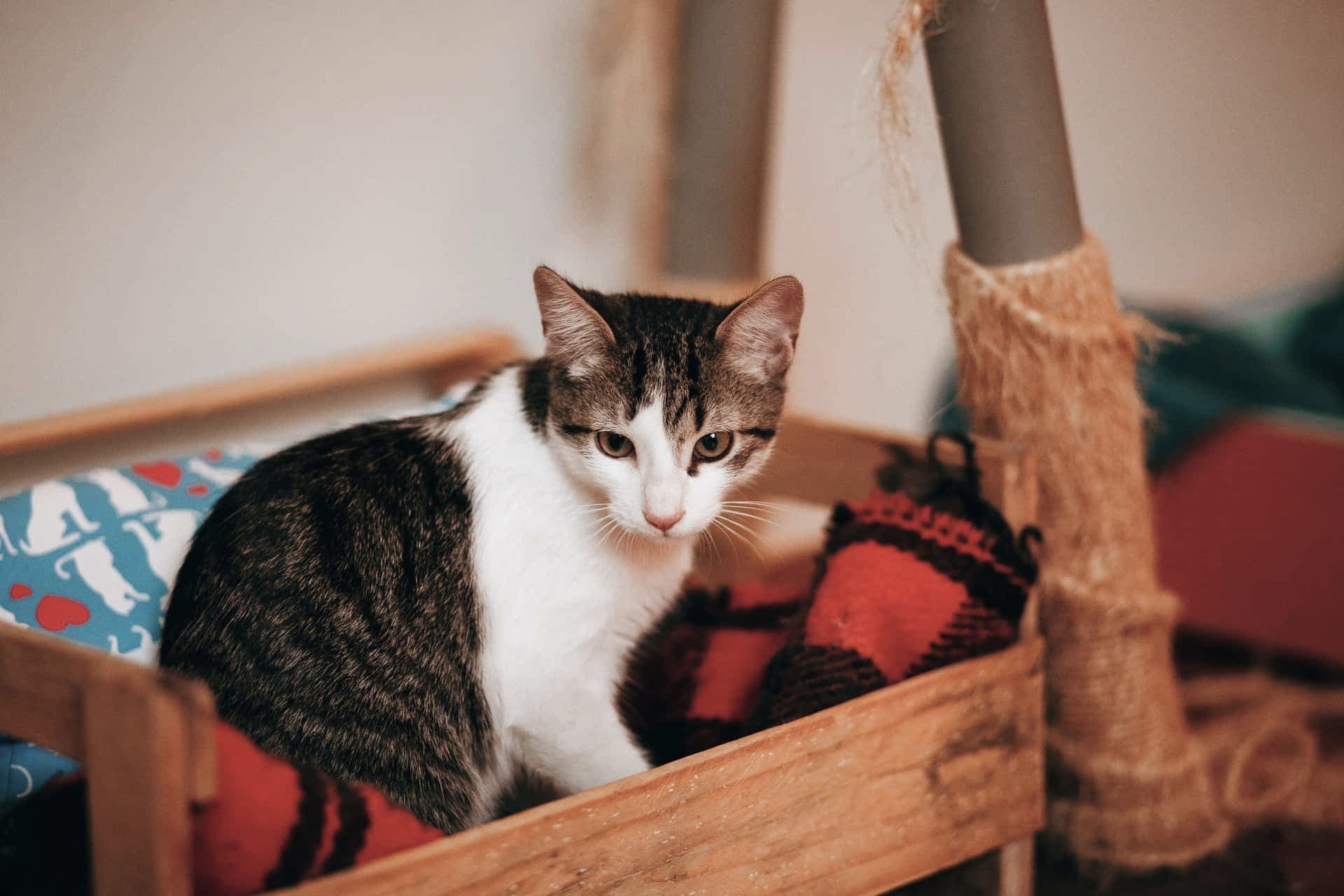
A cat sitting beside a covered litter tray on a hard floor

Disclosure — some links on this page go to Amazon, and we earn a commission if you buy through them. It costs you nothing extra and it does not change what we recommend or in what order. The full disclosure.

Litter tracking is a suction and durability problem rather than a brush problem. Granules are heavy, so they need real airflow to lift, and they are abrasive, so they wear brushes and bin seals faster than dust does. Set a no-go zone around the tray itself and let the robot handle the scatter beyond it.

Cat households come to robot vacuums for a specific reason, and it is rarely the hair. Cat hair is short and fine and most machines cope. Litter is the actual complaint: a trail of granules that reaches into rooms nowhere near the tray, on the pads of an animal that does not consider this a problem.

Why litter is hard on the machine

  • It is heavy. Clay and crystal litters are dense relative to their size, so lifting them from a floor takes genuine airflow. This is one of the few cases where a higher suction figure translates into an observable difference.
  • It is abrasive. Granules scour whatever they pass over — brush fins, bin seals, the intake throat. A robot on litter duty wears consumables faster than one on dust, which shows up in running costs.
  • It scatters far. Tracking distance depends on the cat, the litter and the flooring, but several meters is normal and a whole floor is not unusual.
  • It gets damp. Clumping litter that meets a mop pad becomes a paste. On a mop combo this is a genuine argument for keeping the tray area out of the mop's route entirely.

Flooring changes the answer

On hard floors the granules sit loose on the surface and a daily run collects nearly all of them. On carpet they work into the pile and need agitation as well as suction, which is where carpet boost earns its place. A textured tile — slate, riven porcelain, anything with a deliberate surface — is the worst case, because granules lodge in the texture where a pad skims over the top and only a brush reaches them. See tile floors.

A setup that works

  1. Put a mat under and in front of the tray. Catching granules before they travel does more than any vacuum setting.
  2. No-go zone the tray and its margin, so the robot cleans the scatter without disturbing the source.
  3. Schedule a run shortly after the cat's usual routine rather than at a fixed convenient hour. Litter is at its most collectable before it is trodden into carpet.
  4. Empty the bin more often than the schedule suggests. Litter is dense, so the bin reaches its weight limit while looking half empty.
  5. Check the brush and end caps monthly. Abrasion shows up as rounded, soft fins long before the brush stops working outright.

Quick picks

Ranked on the published specifications below. Tap a row to jump to the full write-up.

#ProductBest forMain brushPrice
1
ECOVACS DEEBOT X8 PRO OMNIA rotating roller mop that washes itself continuously while it cleans, instead of pushing one increasingly dirty pad around the house.
Mopping that rinses as it goesRubber main brush with ZeroTangle 2.0
2
Roborock Qrevo CurvPublishes both a standard-threshold and a double-layer threshold figure, which is the number most sill-blocked buyers are actually shopping for.
Tall or double-layer door sillsDuoDivide dual rubber-bristle main brush
3
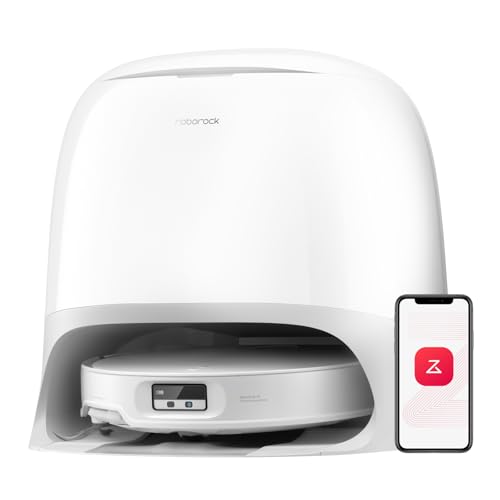
Roborock Q7 M5Proper 360-degree LiDAR mapping and an anti-tangle main brush at a price where a lot of robots still bounce off the walls.
Real LiDAR mapping at the low endJawScrapers Comb anti-tangle main brush

Every figure in this table is linked to the page it came from in the write-ups below. We have not tested any of these machines.

Top pick

ECOVACS DEEBOT X8 PRO OMNI

Mopping that rinses as it goes

A rotating roller mop that washes itself continuously while it cleans, instead of pushing one increasingly dirty pad around the house.

Published specifications

Max climb height
20mm with the mop attachedECOVACS states the condition alongside the figure, which is unusual and useful — a mop-combo's climb is not the same as a bare chassis's.Source: ECOVACS DEEBOT X8 PRO OMNI product page — obstacle crossing (retrieved 2026-09-01)
Navigation
dToF with AIVI 3D 3.0 and a TruEdge 3D edge sensorSource: ECOVACS DEEBOT X8 PRO OMNI product page — navigation (retrieved 2026-09-01)
Stated runtime
Up to 291 minutesECOVACS states this for silent sweep mode on hard floors.Source: ECOVACS DEEBOT X8 PRO OMNI product page — runtime (retrieved 2026-09-01)
Dock
Self-emptying with 167F hot-water mop washing, hot-air drying and auto solution dosingSource: ECOVACS DEEBOT X8 PRO OMNI product page — station (retrieved 2026-09-01)

What it does well

  • Roller mop self-washes during the run rather than only at the dock
  • Publishes a threshold figure and states the condition (with mop attached)
  • Stated 291 minutes of runtime in silent mode

What it does not

  • 20mm climb is among the lowest published figures here
  • 0.22L on-board bin is small, so it leans hard on the dock

Who it is for

Hard floors that actually get dirty — kitchens, entryways, homes with dogs.

Skip it if

Your sills are tall. ECOVACS publishes 20mm with the mop attached, which is at the low end of this table.

Pick 2

Roborock Qrevo Curv

Tall or double-layer door sills

Publishes both a standard-threshold and a double-layer threshold figure, which is the number most sill-blocked buyers are actually shopping for.

Published specifications

Max climb height
40mm (1.6in) double-layer, 30mm (1.2in) standardRoborock's own wording is that it can overcome standard thresholds up to 3cm and navigate double-layer thresholds up to 4cm. Stated maxima assume a clean square edge; a rounded or worn sill behaves differently.Source: Roborock Qrevo Curv product page — threshold crossing (retrieved 2026-09-01)
Main brush
DuoDivide dual rubber-bristle main brushRoborock describes it as two parallel short bristle rollers with spiral blades.Source: Roborock Qrevo Curv product page — DuoDivide main brush (retrieved 2026-09-01)
Stated runtime
Not publishedNot stated on the Roborock product page.
Dustbin
Not publishedNot stated on the Roborock product page.
Body height
104mm (4.1in)Listed dimensions 13.9 x 13.7 x 4.1in.Source: Roborock Qrevo Curv product page — dimensions (retrieved 2026-09-01)

What it does well

  • Roborock publishes a standard-threshold figure and a double-layer figure separately, which almost nobody else does
  • 17mm of mop lift is enough to keep a wet pad off medium-pile carpet
  • Anti-tangle design on the main brush and the side brush, not just one of them

What it does not

  • The 40mm headline is a double-layer threshold, not a single 40mm step — read the condition, not the headline
  • 104mm (4.1in) tall, so it will not fit under a low sofa or a kickboard gap

Who it is for

Older houses with real door sills, and anyone whose current robot announces itself stuck in the same doorway every day.

Skip it if

Your floors are flat and open. You would be paying a premium for chassis hardware your home never asks for.

Check price on Amazon

#ad how we are funded · no live price right now, so we show none

Full Roborock Qrevo Curv write-up

Pick 3

Roborock Q7 M5

Real LiDAR mapping at the low end

Proper 360-degree LiDAR mapping and an anti-tangle main brush at a price where a lot of robots still bounce off the walls.

Published specifications

Max climb height
Not publishedNot stated on the Roborock product page.
Mop lift
Not publishedNot stated on the Roborock product page.
Main brush
JawScrapers Comb anti-tangle main brushRoborock pairs it with an anti-tangle side brush as a Dual Anti-Tangle System.Source: Roborock Q7 M5 product page — brush (retrieved 2026-09-01)
Navigation
360-degree LiDAR with multi-level mappingSource: Roborock Q7 M5 product page — navigation (retrieved 2026-09-01)
Stated runtime
Not publishedNot stated on the Roborock product page.

What it does well

  • 360-degree LiDAR at entry-level money, so it maps rooms instead of guessing
  • JawScrapers Comb anti-tangle main brush
  • Multi-level mapping for a two-story house

What it does not

  • No published climb height and no published mop lift
  • Mopping is three water-flow levels and a pad, not a washing dock

Who it is for

A first mapped robot for a normal house — several rooms, some rugs, a pet.

Skip it if

You want serious mopping. This drags a pad; it does not wash or lift one properly.

Check price on Amazon

#ad how we are funded · no live price right now, so we show none

Full Roborock Q7 M5 write-up

If dander rather than granules is your problem, the filtration and emptying side is covered on allergies and HEPA. If the tray sits in a room the robot cannot reach because of a raised sill, that is a different problem entirely — see the threshold climb table.

Questions people actually ask

+ Can a robot vacuum handle cat litter?

Yes, and daily running is what makes it effective, because tracked granules are easiest to collect before they are trodden into carpet. Keep the tray itself in a no-go zone so the robot cleans the scatter without disturbing the source.

+ Will litter damage a robot vacuum?

It wears consumables faster than dust does — brush fins, bin seals and the intake all see abrasion. It will not break a machine outright, but budget for replacing brushes and filters sooner than the manual suggests.

+ What is the best robot vacuum for cat litter on hard floors?

One with enough airflow to lift dense granules and a bin that seals well. Hard floors are the easy case here — the granules sit loose on the surface, so a daily run collects almost all of them.

+ Should the robot mop near the litter tray?

No. Clumping litter plus water makes a paste that will be spread rather than lifted. Keep the tray and its immediate margin out of the mop route, and clean that area by hand.

Sources